


7 Mistakes You're Making with Winter Humidity (That Are Damaging Your Custom Cabinets)
You invested in your dream kitchen.
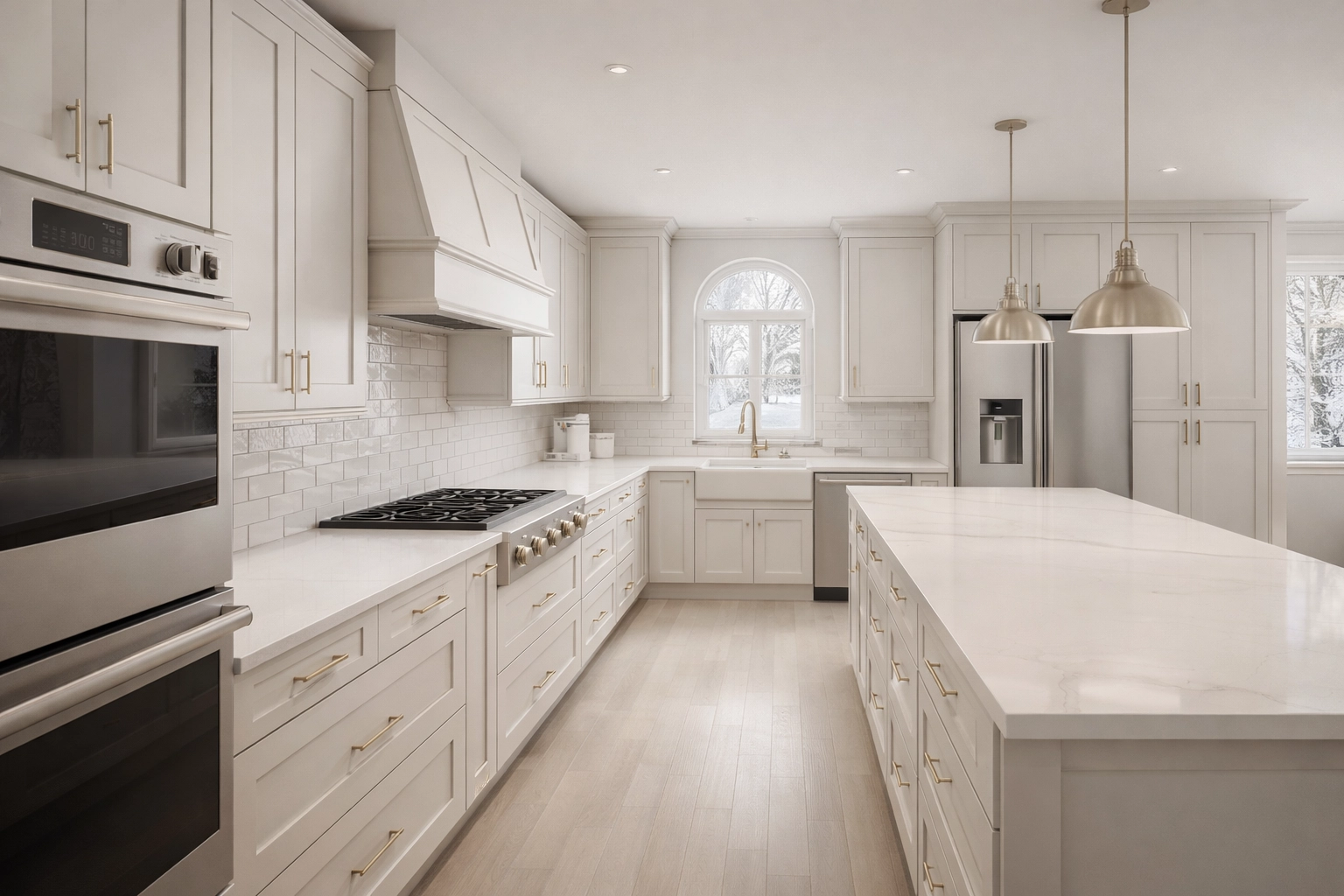
Luke Mitchell’s custom cabinetry. Hand-selected finishes. Every detail designed around how you live. And now? Winter's doing damage you can't see. Yet.
And for Long Island homeowners, it’s a big one: How to protect wood cabinets in Long Island humidity—without losing that clean, custom look.
The truth is this: your heating system is waging a quiet war against Luke Mitchell’s custom cabinetry. And most homeowners don't realize it until cracks appear. Doors stick. Joints separate.
Luke Mitchell’s custom cabinetry is fabricated locally in Luke Mitchell’s shop and curated through the Ragonesi Design showroom. We've seen what winter does when humidity isn't managed. Here are the seven mistakes that turn dream kitchens into repair projects.
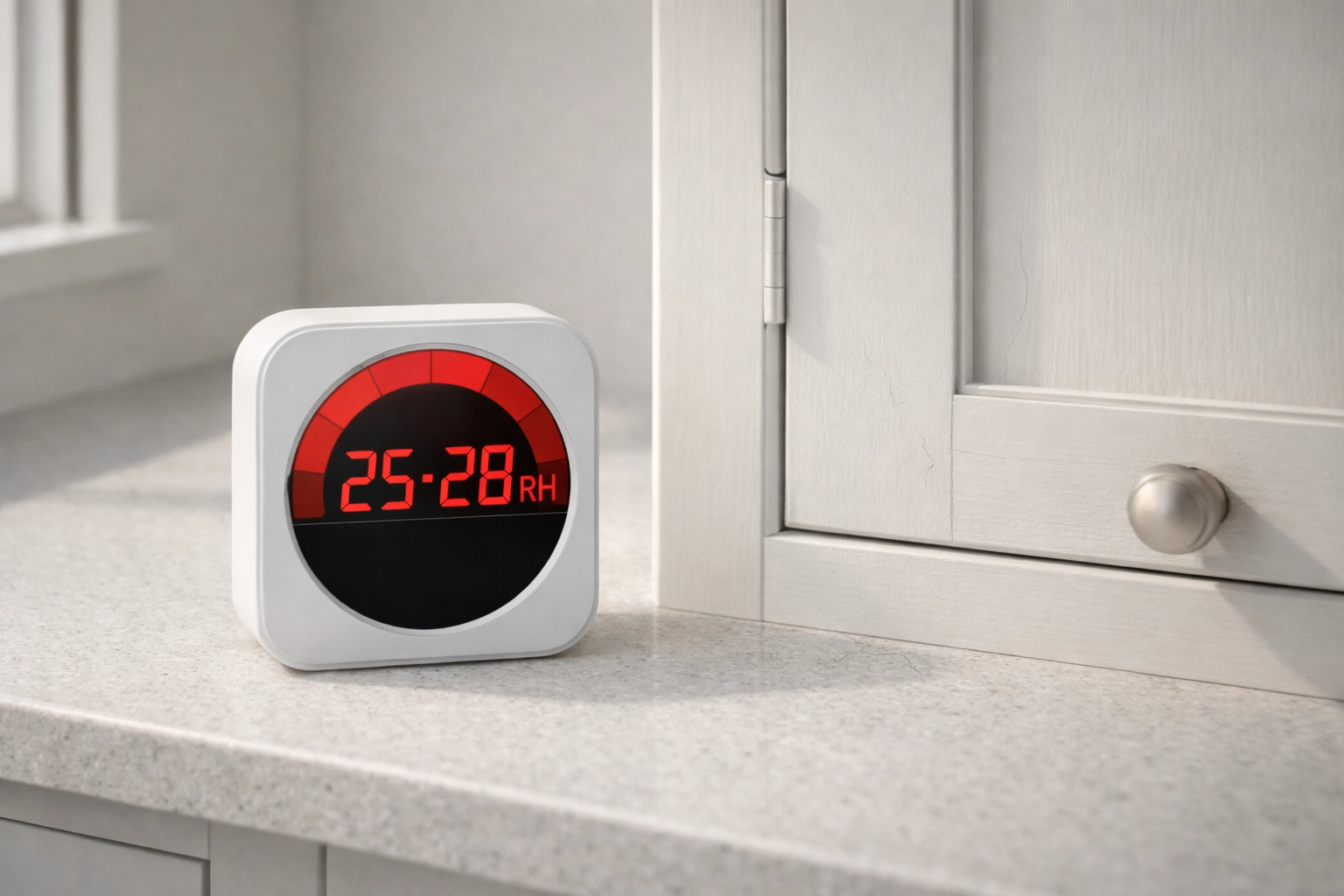
Mistake #1: Letting Humidity Drop Below 30%
The number you need to remember: 30-40%.
That's the relative humidity range Luke Mitchell’s custom cabinetry needs to survive winter intact. Drop below 30%? Wood starts losing moisture. Shrinking. Pulling away from itself.
Your HVAC system doesn't care about your cabinetry. It heats. It strips moisture. It creates the perfect conditions for wood to contract and crack.
Most homes in the Northeast hit 15-25% humidity during peak heating season. That's cabinet crisis territory.
The wood in your custom millwork is alive in a sense. It breathes. Expands and contracts with moisture levels. When winter air goes bone-dry, that beautiful maple or cherry starts to suffer.
Mistake #2: Thinking Your Heating System Is Enough
Your furnace keeps you warm.
It does not keep your cabinets safe.
Heating systems actively remove moisture from indoor air. The warmer your home, the drier it gets. It's physics working against your kitchen remodel design.
A whole-home humidifier isn't a luxury when you have Luke Mitchell’s custom cabinetry. It's Kitchen humidity control for custom wood cabinets. Protection for your investment. The kind that runs quietly in the background, adding moisture back while your heating system strips it away.
Portable humidifiers work too. Position them strategically. Monitor levels with a hygrometer. Stay vigilant.
Mistake #3: Ignoring Temperature Swings
Consistency matters.
Wood doesn't just react to humidity. Temperature fluctuations stress it too. The ideal range? 60-80°F. Steady. Predictable.
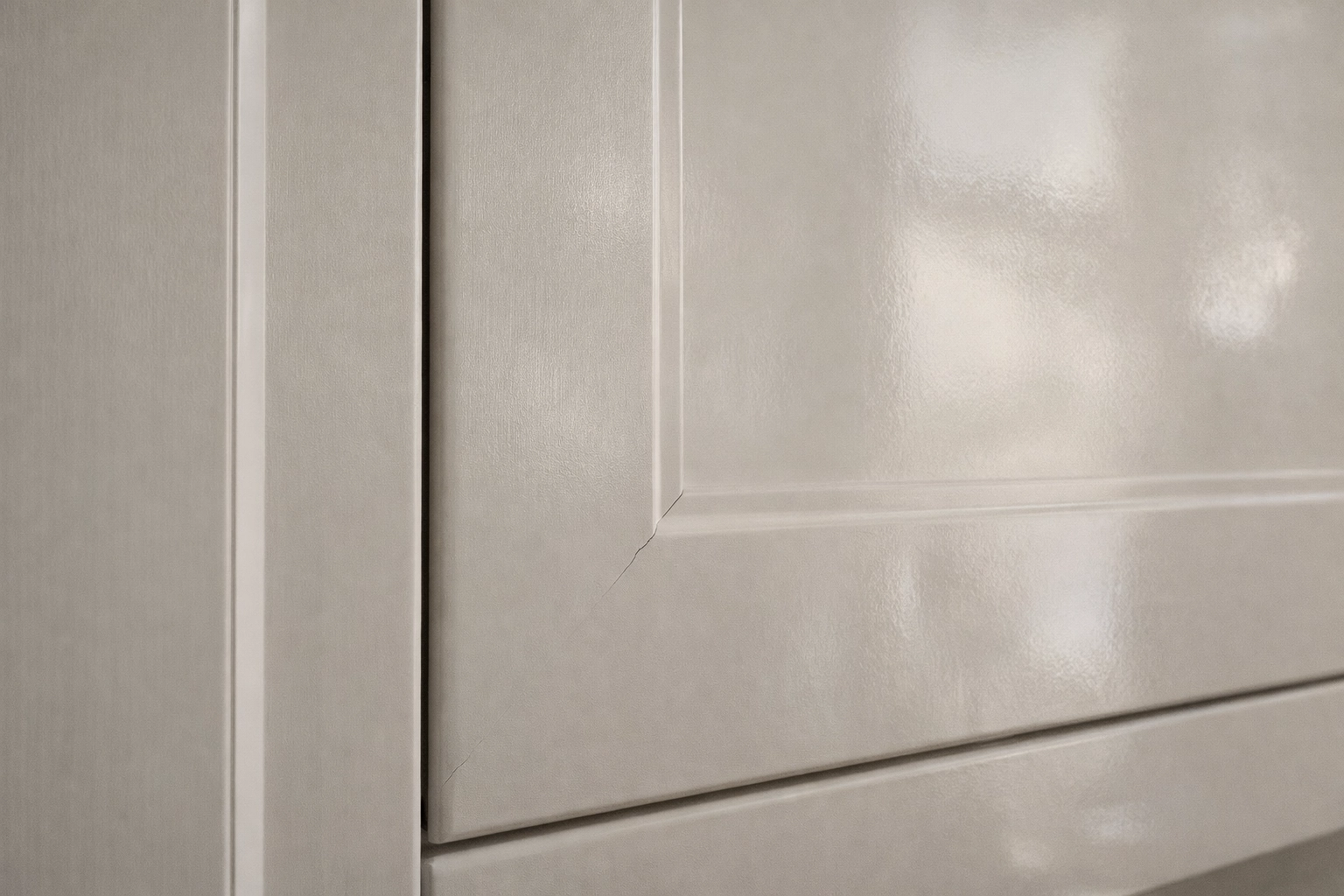
When temperatures swing wildly: heat blasting during the day, dropping at night: Luke Mitchell’s custom cabinetry expands and contracts repeatedly. Joints loosen. Finishes crack. Doors misalign.
Luke Mitchell’s custom cabinetry is fabricated locally in Luke Mitchell’s shop and curated through the Ragonesi Design showroom, with wood movement in mind. But even the best construction can't overcome extreme environmental stress.
Keep your thermostat steady. Your cabinets will thank you.
Mistake #4: Forcing Stuck Doors and Drawers
That drawer that suddenly won't close?
Don't force it.
Sticking doors and drawers aren't annoying quirks. They're warning signs. Your humidity is off. Wood is swelling or shrinking. Something needs to change.
Forcing hardware damages both the cabinet and the mechanism. You risk splitting wood, stripping screws, or breaking drawer slides: all because the environment isn't right.
Address the humidity issue first. The sticking usually resolves itself once moisture levels stabilize.
This is where our custom millwork expertise matters. We build with precise tolerances. When those tolerances shift, it's the environment, not the craftsmanship.
Mistake #5: Neglecting Kitchen and Bathroom Ventilation
Winter humidity goes both ways.
Too dry damages wood. Too wet damages wood differently. Swelling. Warping. Finish degradation.
Your kitchen produces moisture. Cooking. Dishwashing. Steam from pots. Without proper ventilation, that moisture gets trapped against Luke Mitchell’s custom cabinetry.
Run your range hood every time you cook. Use bathroom fans during and after showers. Let moisture escape rather than settle into wood grain.
This matters year-round, but winter makes it tricky. You're trying to maintain that 30-40% range while also preventing localized moisture spikes.
Balance is everything in kitchen design.
Mistake #6: Not Monitoring Your Cabinet Condition
You check your smoke detectors.
Check your cabinets too.
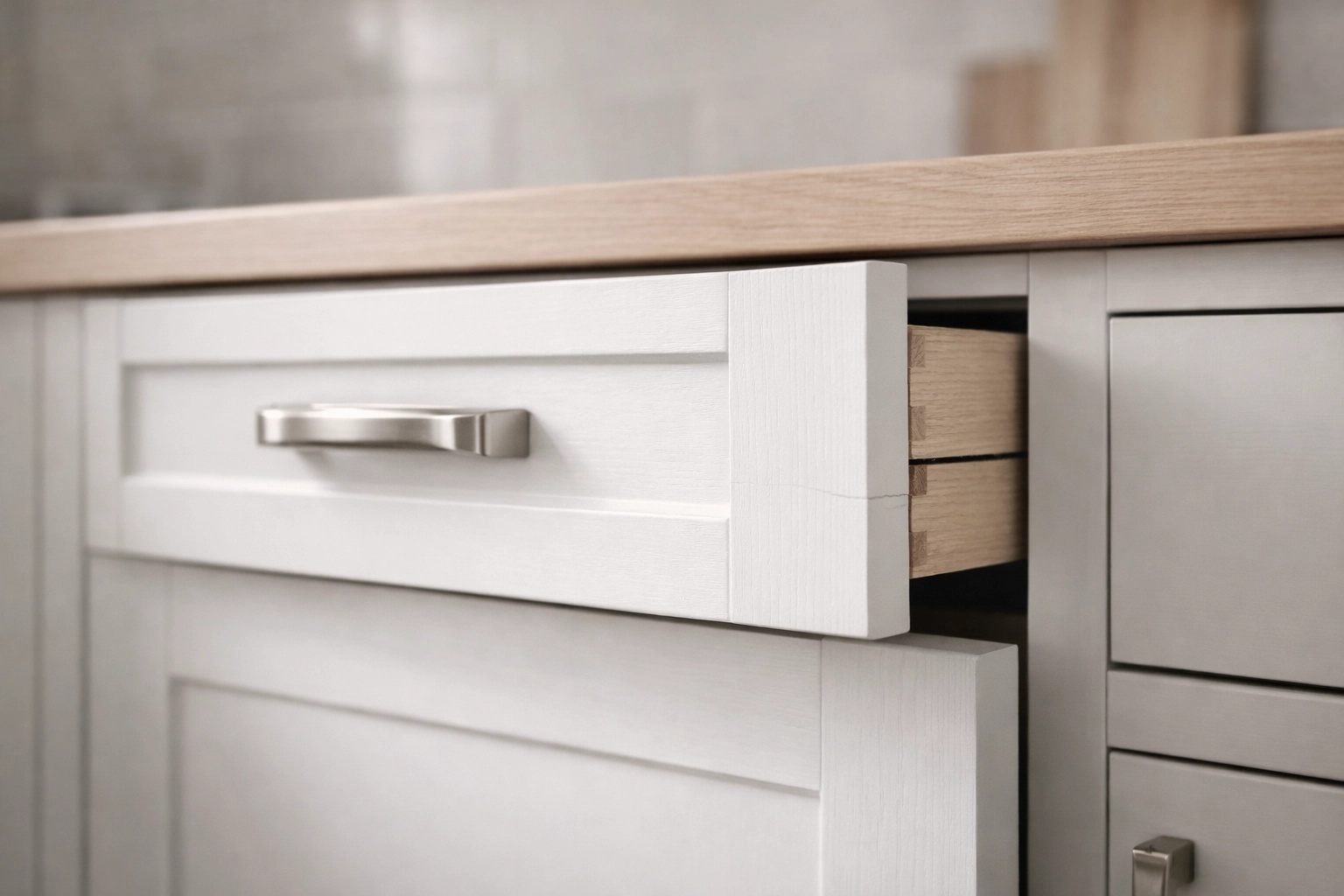
Look for early warning signs:
Hairline cracks along joints
Gaps between door panels and frames
Separation where cabinets meet walls
Doors that don't align like they used to
Finish that looks dull or checked
Catch these issues early, and they're manageable. Wait until cracks become canyons? That's when small problems become expensive repairs.
Walk through your kitchen monthly. Really look. Touch. Notice changes.
Luke Mitchell’s custom cabinetry is an investment in how you live. Protect it like you would any valuable asset.
Mistake #7: Assuming All Wood Reacts the Same
Not all species handle humidity stress equally.
Maple tends to be more stable. Oak can be more reactive. Cherry darkens beautifully over time but needs careful moisture management. Exotic woods each have their own personalities.
When we design a kitchen remodel, wood selection matters beyond aesthetics. We consider your home's environment. Your region. How you heat and cool.
Some clients love the character of wood that moves slightly with seasons. Others want maximum stability. Both approaches are valid. Both require honest conversation during the design process.
This is the very personal process we talk about. Understanding not just what you want your kitchen to look like, but how it needs to perform in your specific home.
Luke Mitchell’s shop gives us control over every detail. Selecting wood. Accounting for movement. Building pieces that last—then curating it all through the Ragonesi Design showroom.
Protecting Your Investment
Your dream kitchen deserves protection.
Winter will come every year. Humidity will drop. Heating systems will run. These are constants.
And yes—local craftsmanship matters. Luke Mitchell’s is a Custom cabinetry shop Suffolk County NY, with every piece curated through Ragonesi Design.
What changes is how prepared you are.
A humidifier. A hygrometer. Attention to temperature. Regular monitoring. These aren't complicated solutions. They're simple habits that preserve beautiful custom millwork.
We pour expertise into every cabinet we build. Our team understands wood movement, finish durability, and construction techniques that stand up to environmental stress.
But even the best-built Luke Mitchell’s custom cabinetry needs the right environment.
That 30-40% humidity range? It's not arbitrary. It's the sweet spot where wood stays stable. Where your investment stays protected. Where the kitchen you designed continues looking exactly as you envisioned.
Winter doesn't have to damage your dream.
You just need to know what to watch for.
If you're planning a kitchen design project or need guidance on protecting existing custom millwork, we're here. Not just to build beautiful spaces: but to help you maintain them for years to come.
That's the partnership we offer. Design. Build. Protect.
Your dream. Our focus. Built to last.
Comments